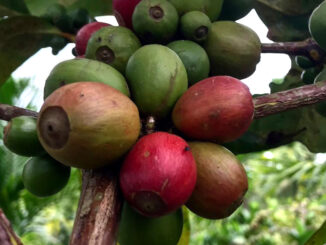
The Ethiopia Sidamo coffee is one of the most celebrated Arabica coffee varieties in the world.
Grown in the southern highlands of Ethiopia, Sidamo coffee is known for its distinct floral aroma, bright acidity, and sweet, complex flavor profile.
It embodies the heritage and diversity of Ethiopian coffee, often described as the birthplace of Arabica.
🌍 Origin and Background
Sidamo coffee takes its name from the Sidama region in southern Ethiopia, one of the most famous coffee-growing areas in the country.
Ethiopia is widely recognized as the origin of Coffea arabica, and Sidamo remains a center of traditional, smallholder coffee farming.
Most Sidamo coffee is grown by small farmers using age-old cultivation methods, often under natural shade and without synthetic fertilizers.
The combination of ideal climate, high altitude, and rich volcanic soil gives Sidamo coffee its distinctive cup character — lively, aromatic, and unforgettable.
🌿 Growing Conditions
Sidamo’s geography provides perfect conditions for producing world-class Arabica beans.
Ideal growing conditions include:
- Altitude: 1,500–2,200 meters above sea level
- Temperature: 15–24°C
- Rainfall: 1,200–2,000 mm annually
- Soil: Volcanic, rich in organic matter
- Shade: Grown naturally under forest canopies
These factors slow the growth of coffee cherries, allowing them to absorb more nutrients, resulting in denser beans with concentrated flavor.
🫘 Coffee Varieties and Processing Methods
Sidamo coffee includes many heirloom Arabica varieties, unique to Ethiopia’s genetic diversity.
Each village or micro-region can produce subtly different flavors.
Common processing methods:
- Washed (Wet Process): Produces a clean, bright cup with floral and citrus notes.
- Natural (Dry Process): Yields a sweeter, fruitier profile with berry and wine-like tones.
- Honey Process: Combines both methods for a balanced sweetness and smooth body.
The processing method plays a big role in defining the coffee’s final flavor and aroma.
☕ Flavor Profile
Ethiopia Sidamo coffee is renowned for its vibrant, balanced, and aromatic cup.
It is often described as floral, tea-like, and sweet, with a light to medium body and sparkling acidity.
Typical tasting notes include:
- Floral aroma with jasmine or bergamot
- Bright, citrus-like acidity
- Flavors of lemon, honey, and berries
- Subtle sweetness with caramel and cocoa hints
- Clean, refreshing finish
Washed Sidamo coffees tend to be bright and delicate, while natural Sidamo coffees are fruity and bold, offering great variety within the same region.
🌾 Harvesting and Processing
In Sidamo, coffee harvesting is almost entirely done by hand.
Farmers pick only the ripest cherries, ensuring high quality.
After picking:
- Washed coffees are pulped, fermented, and washed in mountain spring water, then sun-dried on raised beds.
- Natural coffees are sun-dried with the fruit intact, allowing sugars and flavors to infuse into the bean.
- Honey-processed coffees are partially pulped, leaving some fruit mucilage on the bean for added sweetness.
This attention to detail preserves the purity and complexity that Sidamo coffee is known for.
🌍 Main Producing Areas in Sidamo
The Sidamo region includes several well-known coffee-producing zones, each offering unique flavor nuances.
Key areas include:
- Dale: Known for floral, aromatic washed coffees.
- Aleta Wendo: Produces fruity, balanced naturals.
- Bensa: Grows high-altitude coffees with wine-like acidity.
- Awassa (Hawassa): Known for honey sweetness and mild citrus notes.
Each area contributes to the diversity and richness that make Sidamo coffee so distinctive.
🌱 Sustainability and Smallholder Farming
Most Sidamo coffee is grown by smallholder farmers working on less than two hectares of land.
They rely on organic, sustainable methods, often using intercropping with banana and shade trees.
Many cooperatives and exporters in Sidamo are part of Fairtrade and Rainforest Alliance programs, ensuring ethical production and fair wages for farmers.
This sustainable approach protects both the environment and the centuries-old coffee culture of Ethiopia.
☕ Brewing Recommendations
To highlight Sidamo coffee’s delicate flavors and aroma, gentle brewing methods are best.
Recommended brewing methods:
- Pour-over (V60 or Kalita): Brings out brightness and floral notes.
- Chemex: Enhances clarity and citrus flavors.
- French Press: Produces a fuller, sweeter cup.
- Espresso: Offers a bright, fruity shot with a floral finish.
Use water around 92–94°C (198–201°F) and grind just before brewing for the best flavor.
🌸 Why Coffee Lovers Admire Sidamo
Ethiopia Sidamo coffee is admired for its balance, elegance, and complexity.
It’s a coffee that appeals to both casual drinkers and professional tasters, often featured in specialty coffee competitions and third-wave cafes around the world.
Its cup embodies the soul of Ethiopian coffee — ancient, diverse, and full of life.
❤️ Final Thoughts
The Arabica Ethiopia Sidamo coffee is a true treasure of the coffee world.
With its floral aroma, vibrant acidity, and sweet, fruity flavor, it offers an unforgettable sensory experience.
Every cup tells the story of Ethiopia’s rich coffee heritage, the dedication of small farmers, and the fertile highlands that make this coffee one of the finest on Earth.
☕ Ethiopia Sidamo — bright, aromatic, and timeless.
DeliciousPath: Enjoyment in Every Moment
Explore the Gourmet on Board category for exquisite flavors that elevate your meals, even when you’re on a boat, and the Coffee category for aromatic coffee blends that make every moment special. DeliciousPath is here to turn every experience into something unforgettable!