The Chồn coffee variety from Vietnam — often called Vietnamese civet coffee — is one of the world’s most unique and premium coffee types.
Famous for its natural fermentation process through the Asian palm civet, Chồn coffee offers a smooth, chocolatey flavor and aromatic richness that makes it highly prized among coffee lovers.
In Vietnam, this coffee is not just a luxury — it’s part of a cultural tradition that reflects patience, craftsmanship, and respect for nature.
🌍 Origin and Background
Chồn coffee comes from Vietnam, a country known as the world’s second-largest coffee producer.
While most Vietnamese coffee is Robusta, Chồn coffee is typically made from select Arabica or Robusta beans that undergo a special natural fermentation process inside the digestive system of the Asian palm civet (Paradoxurus hermaphroditus).
The word “Chồn” literally means “civet” in Vietnamese, referring to the small nocturnal animal responsible for the coffee’s fermentation.
🐾 The Unique Fermentation Process
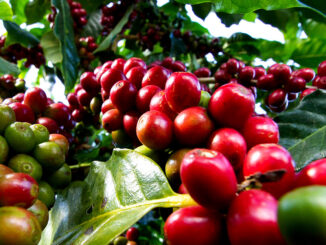
The magic of Chồn coffee lies in the civet’s natural selection and digestion of ripe coffee cherries.
Here’s how the process works:
- Wild or farmed civets eat only the ripest coffee cherries, guided by their keen sense of smell.
- Inside the civet’s digestive tract, natural enzymes break down proteins in the coffee beans — the compounds that create bitterness.
- The beans ferment gently during digestion, enhancing their aroma and reducing acidity.
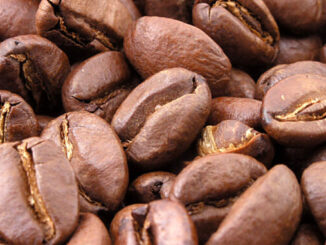
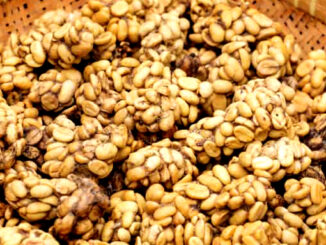
- After excretion, the beans are carefully collected, thoroughly cleaned, sun-dried, roasted, and ground like normal coffee.
The result is a coffee that’s smoother, richer, and less bitter than traditionally processed beans.
🌿 The Coffee Varieties Used
In Vietnam, Chồn coffee can be made from both Arabica and Robusta beans, though Arabica-based Chồn is considered the most refined.
Common varieties used include:
- Arabica: Grown in highlands like Đà Lạt, Lâm Đồng, and Buôn Ma Thuột — offers bright acidity and floral sweetness.
- Robusta: Cultivated across Central Highlands — provides strong body and rich crema.
- Blends: Some producers combine both for balance and depth.
These beans are hand-selected to ensure that only the ripest cherries are used, maintaining premium quality from farm to cup.
☕ Flavor Profile
Chồn coffee is widely admired for its smooth, complex, and aromatic flavor, often described as one of the most refined coffees in Asia.
Typical tasting notes include:
- Rich, velvety body
- Low acidity and virtually no bitterness
- Hints of chocolate, caramel, and nuts
- Subtle notes of spice, fruit, and tobacco
- Long, smooth, and sweet aftertaste
The combination of fermentation and careful roasting creates a coffee that’s naturally balanced and extremely smooth — a true gourmet experience.
🌱 Growing Regions in Vietnam
Chồn coffee is mainly produced in the Central Highlands, Vietnam’s coffee heartland, where the climate and soil are ideal for cultivation.
Key producing regions:
- Đà Lạt (Lâm Đồng Province): Known for high-quality Arabica Chồn coffee.
- Buôn Ma Thuột (Đắk Lắk Province): Famous for robust and full-bodied Robusta-based Chồn.
- Gia Lai and Kon Tum: Smaller-scale, artisanal producers focusing on natural methods.
These regions offer the cool temperatures, fertile volcanic soil, and steady rainfall needed for growing premium coffee.
🌿 Ethical and Sustainable Production
While early versions of civet coffee in other countries raised ethical concerns, modern Chồn coffee from Vietnam is typically produced ethically and sustainably.
Ethical producers ensure that:
- Civets are not caged or force-fed — beans are collected from wild civets’ natural droppings.
- The process supports local farmers and forest conservation.
- Coffee is traceable, handcrafted, and often certified cruelty-free.
This ethical model has helped restore Vietnam’s reputation as a responsible producer of exotic coffees.
💎 Rarity and Price
Authentic, ethically made Chồn coffee is rare and expensive due to the slow, natural process and limited supply.
- Annual production is extremely small compared to regular coffee.
- Prices range from $200 to $600 per kilogram, depending on the bean type and origin.
- Counterfeit or low-quality versions are common — true Chồn coffee always comes with traceability and certification.
Because of its exclusivity and flavor, it’s often served in luxury cafes, five-star hotels, and gifted as a premium item in Vietnam and abroad.
☕ How to Brew Chon Coffee
To highlight its delicate flavors, Chồn coffee should be brewed gently and carefully.
Recommended brew methods:
- Vietnamese Phin filter: Traditional method that enhances aroma and body.
- Pour-over (V60 or Kalita): Brings out sweetness and clarity.
- French Press: Provides a fuller, creamier cup.
Use freshly ground beans and hot water around 92–94°C (198–201°F) for best extraction.
Avoid adding condensed milk — enjoy it black to appreciate its natural flavor profile.
🌍 Cultural Significance in Vietnam
In Vietnam, Chồn coffee is more than a drink — it’s a symbol of craftsmanship and patience.
It reflects the Vietnamese appreciation for balance, harmony, and natural processes.
Many locals see it as a luxury reserved for special occasions, while tourists view it as a once-in-a-lifetime experience — a perfect representation of Vietnamese coffee artistry.
❤️ Final Thoughts
The Chồn coffee variety from Vietnam is one of the most extraordinary examples of traditional meets natural innovation in the coffee world.
Its unique fermentation, smooth taste, and ethical production make it both a cultural treasure and a luxury beverage.
As Vietnam continues to embrace sustainability and quality, Chồn coffee stands as a symbol of craftsmanship, flavor, and respect for nature.
☕ Chồn coffee — Vietnam’s gift to the world, naturally refined and elegantly smooth.
DeliciousPath: Enjoyment in Every Moment
Explore the Gourmet on Board category for exquisite flavors that elevate your meals, even when you’re on a boat, and the Coffee category for aromatic coffee blends that make every moment special. DeliciousPath is here to turn every experience into something unforgettable!