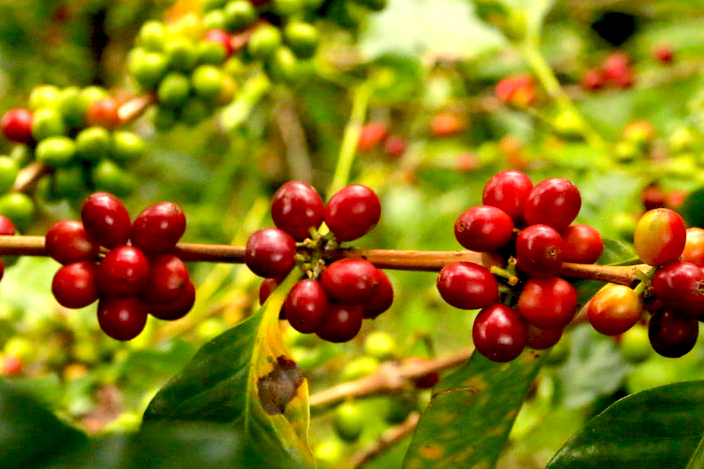
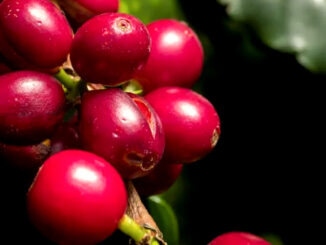
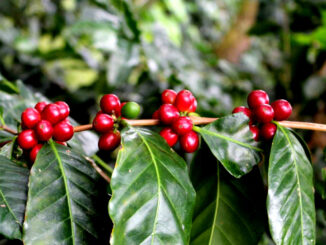
The term “Heirloom” is widely used in the coffee world — but mostly when referring to Arabica coffee varieties, especially those from Ethiopia, the birthplace of coffee.
It describes ancient, indigenous, or naturally evolved coffee plants that have been growing for generations without genetic modification or industrial breeding.
In other words, Heirloom coffees are the purest expression of coffee’s natural history and biodiversity.
🌍 What “Heirloom” Means in Coffee
In agriculture, “heirloom” usually refers to traditional crops that have been handed down through generations because of their unique characteristics.
In coffee, the term has a more specific meaning — it refers to wild or ancient Arabica plants found mainly in Ethiopia.
These varieties have been growing naturally for centuries, shaped by the environment rather than selective breeding.
Because many of them are not genetically classified, they are collectively referred to as Ethiopian Heirloom coffees.
🌿 Why It Applies Mainly to Arabica
The term Heirloom is rarely used for Robusta or Liberica.
It is closely associated with Arabica coffee for several reasons:
- Arabica originated in Ethiopia, where wild coffee trees still grow naturally.
- There are thousands of genetically distinct Arabica plants across Ethiopia.
- Most local varieties remain uncatalogued or unnamed.
- Arabica’s genetic diversity creates a vast range of flavors, aromas, and adaptations.
This makes Heirloom Arabica one of the most diverse and fascinating plant groups in the coffee world.
🧬 Genetic Diversity of Heirloom Arabica
Ethiopia is home to the largest genetic diversity of coffee on Earth.
Experts estimate that there are more than 6,000 unique Arabica strains growing in its forests and farms.
When a coffee is labeled as Ethiopian Heirloom, it usually means:
- The exact genetic variety is unknown or mixed.
- The coffee originates from wild or indigenous trees.
- The cup profile represents the natural flavor identity of that region.
This diversity is what gives Ethiopian coffees their floral, fruity, and complex character.
☕ Flavor Profile of Heirloom Coffees
Heirloom Arabica coffees are famous for their bright and intricate flavors.
Because no two heirloom types are identical, their profiles vary widely depending on altitude, soil, and processing.
Common tasting notes include:
- Floral aromas of jasmine, rose, or bergamot
- Citrus notes like lemon or orange
- Fruity sweetness of peach, apricot, or berry
- Hints of honey or cane sugar
- Light to medium body with bright, clean acidity
Each cup feels alive and expressive, often resembling fine tea or fruit wine in complexity.
🌱 Examples of Heirloom Varieties in Ethiopia
Some of the most recognized Ethiopian heirloom types include:
- Kurume (Kudhume): Small beans with delicate floral notes.
- Wolisho: Larger beans, fruity and spicy in flavor.
- Dega: High-altitude variety with bright acidity.
- Yirgacheffe Heirloom: Famous for floral and citrus tones.
- Sidamo Heirloom: Known for balance, sweetness, and mild berry notes.
Even within these groups, there are countless local mutations and sub-varieties, each adding to Ethiopia’s extraordinary coffee diversity.
🌾 Heirloom vs. Modern Arabica Cultivars
Heirloom coffees are naturally evolved, while modern Arabica cultivars are man-made hybrids created for productivity or disease resistance.
Here’s the difference written simply for mobile clarity:
- Heirloom Arabica:
Wild, ancient, and native to Ethiopia. Highly diverse genetics, complex flavors, and naturally adapted to their environment. - Modern Arabica Cultivars:
Human-developed hybrids such as Bourbon, Caturra, or Catimor. More consistent in yield and flavor but less genetically diverse.
In short, Heirloom equals authenticity, while modern cultivars equal stability.
🌏 Importance in Specialty Coffee
In the specialty coffee world, “Heirloom” has become a badge of authenticity and excellence.
It symbolizes heritage, purity, and biodiversity — qualities that coffee enthusiasts deeply value.
Why it matters:
- It highlights Ethiopia’s role as coffee’s genetic birthplace.
- It preserves ancient Arabica genetics.
- It offers unique and complex flavors unlike any other.
- It supports sustainable and traditional farming.
Roasters often prize heirloom coffees for their unpredictable beauty and expressive profiles.
❤️ Final Thoughts
The term Heirloom is much more than a marketing word — it represents the roots of Arabica coffee itself.
It celebrates the natural diversity of Ethiopian coffee and honors the farmers who have preserved it for centuries.
Every cup of Heirloom Arabica is a journey into the original taste of coffee — wild, floral, and full of life.
☕ Heirloom coffee — the soul of Arabica, born in Ethiopia.
DeliciousPath: Enjoyment in Every Moment
Explore the Gourmet on Board category for exquisite flavors that elevate your meals, even when you’re on a boat, and the Coffee category for aromatic coffee blends that make every moment special. DeliciousPath is here to turn every experience into something unforgettable!